Dead Stock: Definition, Calculation, and Solutions
August 4, 2026

August 4, 2026

Dead stock affects both B2B and B2C companies. An old collection, an obsolete product, an item purchased in excessive quantities, or merchandise approaching its expiration date can quickly become dead stock.
These products are more than a few forgotten units sitting on a shelf. They tie up cash, increase carrying costs, and make purchasing decisions more difficult.
How can you identify dormant inventory, calculate its value, and prevent it from accumulating? Discover the methods you can use and the different ways to clear these products from your inventory.
Dead stock refers to products that a company still holds in inventory but that are no longer selling or cannot be used under normal conditions.
This may include:
Their commercial value gradually decreases and may eventually fall to zero.

Identifying dormant inventory requires analyzing several pieces of information. The date of the last sale is a useful first indicator, but it does not always tell the whole story.
An item may still record a few stock-outs while the quantity on hand remains far too high compared with demand. Conversely, a product with no recent sales may simply be experiencing a normal seasonal slowdown.
To identify dormant inventory, a company must determine how long an item can remain without a sale before it needs to be reviewed.
This period depends on the product’s usual sales rate, seasonality, and shelf life. An item that normally sells every month should raise concerns sooner than a technical part that customers order only occasionally.
It is better to set different thresholds for different product categories than to apply the same time frame to the entire catalog. Sales history can help determine an appropriate period for each category.
The date of the last sale should then be compared with the quantity still on hand, average sales volume, product value, and expiration date when applicable.
The most direct method is to calculate the value of the products concerned.
Dead stock value = dormant quantity × unit cost
The purchase cost or cost of goods provides a more accurate view of the cash tied up in inventory than the selling price.
Consider a company that sells kitchen accessories. It still has 80 reusable water bottles from an old collection. Each unit cost €14, and the company has not recorded a sale in nine months.
80 × €14 = €1,120 in dead stock

A second calculation can be used to determine how much of the company’s total inventory value is represented by these products.
Dead stock percentage = dead stock value ÷ total inventory value × 100
If the company’s total inventory is valued at €40,000, the water bottles represent 2.8% of its total value.
Individually, they may not appear to take up much space. Together, however, they represent more than €1,000 that cannot be used to purchase a new collection, fund a marketing campaign, or pay for the next supplier order.
Dead stock rarely appears overnight. It gradually builds up when purchasing decisions, sales performance, and market demand no longer align.
The most common causes include:
The first impact is on cash flow. The products have already been purchased, transported, and received, but they generate little or no revenue.
That money is then unavailable for products that are actually selling. A company may therefore hold a large amount of inventory while still struggling to fund its next purchases.
Dormant inventory continues to take up space. It must be stored, moved, counted during physical inventory counts, and sometimes insured or maintained.
The longer it remains in inventory, the more it costs the company. These expenses include storage space, handling, labor, insurance, and inventory depreciation.
Dormant products may deteriorate, expire, or become obsolete. Packaging ages, trends change, and newer models enter the market.
A moderate discount may have been enough to sell the product a few months earlier. After a longer period, the company may need to accept a substantial markdown or write off the inventory entirely.
Prevention starts with regular monitoring. The earlier a decline in sales is identified, the more options the company has to respond.
The date of the last sale, quantity on hand, and inventory turnover rate should be reviewed regularly. An item whose sales are slowing should be assessed before another purchase order is placed.
This analysis should be carried out by item or product category. A company-wide average may hide significant differences between individual products.
Supplier orders should reflect historical sales, seasonality, current customer orders, and supplier lead times.
For a new product, placing a smaller initial order makes it possible to test demand before committing to a larger quantity.
ABC analysis can also help identify which products require closer monitoring. Purchasing decisions can then be adjusted according to each item’s importance and turnover rate.
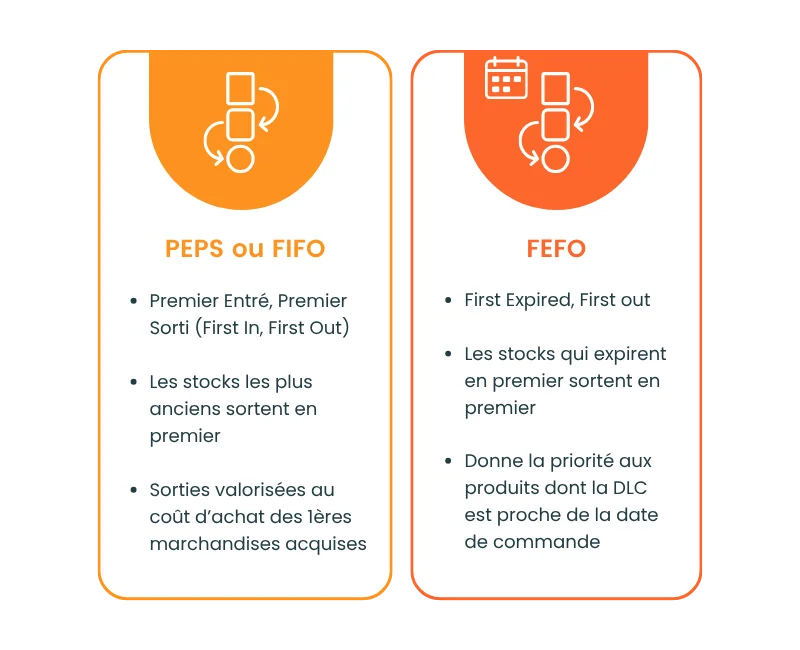
The FIFO method means using or selling the oldest inventory first. This helps prevent products from aging unnecessarily.
For perishable goods, the FEFO method prioritizes products with the earliest expiration date. These approaches reduce the risk of older batches being left behind newer deliveries.
Incorrect inventory records lead to poor purchasing decisions. If the quantity on hand is underestimated, a company may reorder a product even though units are already available at another location.
Regular physical stock counts help correct discrepancies, locate forgotten products, and verify the actual condition of the goods.
Once an item has been identified as dormant, waiting longer often reduces the chances of recovering its value. The appropriate action depends on the product’s condition, remaining margin, and relevance to customers.
Several approaches can be used:
Reducing dead stock starts with reliable, visible data. Stockpit centralizes quantities on hand, incoming and outgoing inventory, and inventory value to provide an up-to-date overview of your stock.
The Dormant Inventory report helps identify products that are no longer selling. It uses the date of the last sale and displays results by product and inventory location. Inactive items can be filtered based on periods longer than 30, 90, 180, or 360 days, depending on the company’s sales cycle.

Stockpit also supports inventory valuation using the MAC, FIFO, or LIFO methods. This allows the company to measure the amount of money tied up in dormant products, rather than looking only at the number of units concerned.
Purchase management and inventory movement tracking provide additional context. Before placing another supplier order, teams can review the quantities already on hand and check the product’s recent activity.
For perishable goods, batch number and expiration date tracking help teams prioritize products before they become unsellable. Physical inventory counts, multi-location inventory management, and automatic quantity updates also improve the reliability of the data used to make decisions.
Stockpit helps companies identify dormant inventory, value their goods, adjust purchasing decisions, and monitor products across multiple inventory locations.
Dead stock ties up cash, occupies storage space, and increases carrying costs. To keep it under control, companies need to regularly monitor sales, quantities on hand, and inventory turnover.
Stockpit helps identify dormant inventory earlier, adjust purchasing decisions, and take action before products become unsellable.
Dead stock refers to products that are no longer selling or cannot be used under normal conditions. They remain in inventory, but their commercial value decreases because of low demand, obsolescence, expiration, or deterioration.
The value of dead stock is calculated by multiplying the quantity of affected products by their unit cost.
Dead stock value = quantity of affected products × unit cost
Using the purchase cost or cost of goods makes it possible to measure the amount of money actually tied up in the inventory.
Depending on the condition of the products, a company can offer a discount, create bundles, use another sales channel, negotiate a supplier return, donate the goods, or arrange for recycling.
It is better to act quickly because the available options for clearing the inventory decrease over time.
Say goodbye to stockouts! Get your inventory valuation, monitor the inflow and outflow of products and keep track of your inventory.


