7 Must-Have Features of an Inventory Management Software
January 27, 2026

January 27, 2026
Accurately tracking stock levels, anticipating replenishment needs, managing multiple warehouses, and ensuring reliable stock counts are part of the daily challenges faced by B2B companies. These operations require tools that can centralize data and deliver reliable, real-time information.
An effective inventory management software is built on a set of essential features. They help secure inventory flows, improve visibility, and boost the overall performance of inventory management.
Data accuracy is the foundation of efficient inventory management. An inventory management system must provide real-time updates of available quantities by instantly recording all stock movements, as well as customer and supplier orders.
This level of visibility allows all teams to work from the same reliable data. Sales teams can commit to realistic delivery timelines, logistics teams can prepare orders accurately, and management gains clear insights to support informed decision-making.
In B2B environments, where volumes are often high and workflows more complex, keeping inventory continuously up to date helps prevent stockouts, avoid overstocking, and secure day-to-day operations.
As soon as a company operates multiple storage locations, inventory management becomes significantly more complex. Without the right tool, it is difficult to know where products are stored and in what quantities.
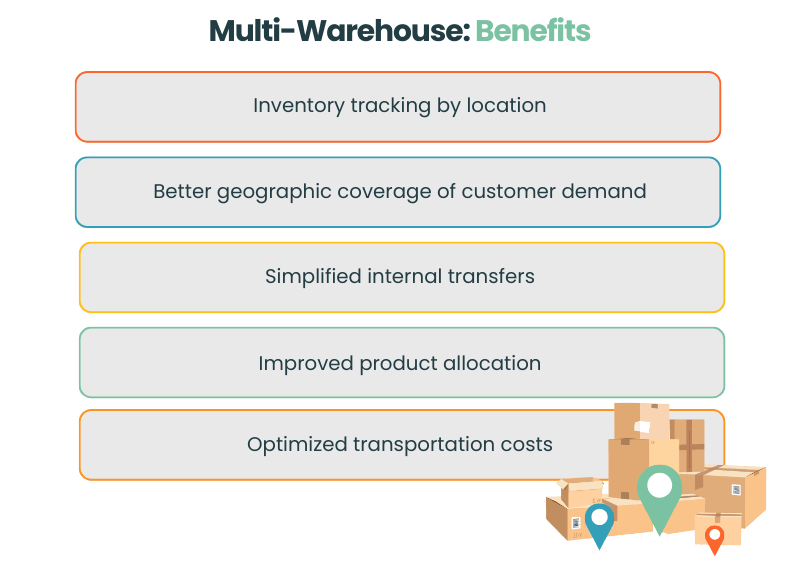
Multi-warehouse management enables businesses to track inventory by location while maintaining a global overview. It simplifies internal transfers, improves product allocation, and helps optimize logistics costs.
For B2B companies operating across multiple regions or combining in-house warehouses with third-party logistics providers, this feature is critical to improving responsiveness and delivery times.
Anticipating replenishment is a key challenge for B2B companies. A stockout can quickly impact customer relationships and disrupt business continuity.
A robust inventory management system allows you to define reorder points for each product. When a threshold is reached, alerts are triggered to initiate replenishment at the right time.
This feature helps reduce the risk of stockouts while avoiding overstocking, all while easing the operational workload for teams.
In B2B businesses, bundled products such as kits and assemblies are another common challenge.
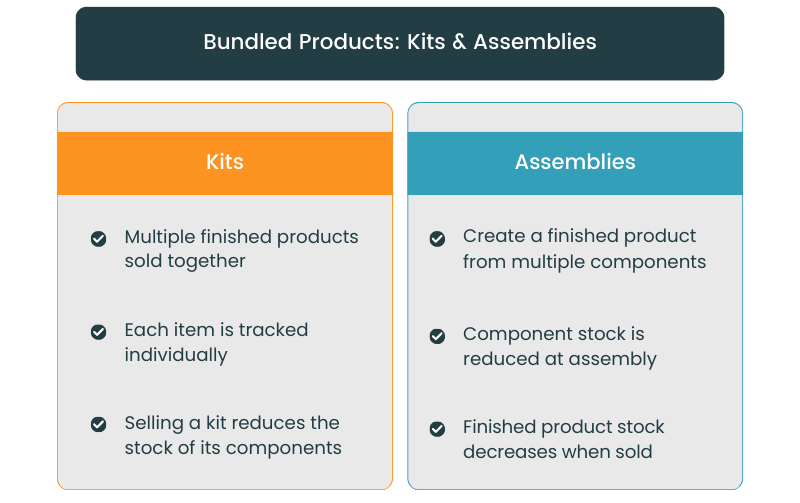
Kits group multiple finished products sold together. Each item is stored individually, and selling a kit automatically deducts the corresponding quantities from each component, without creating a new standalone product.
Assemblies, on the other hand, involve creating a new finished product from several components taken from inventory. This operation impacts component stock levels at the time of assembly and the assembled product’s stock level when it is sold.
An inventory management system that supports both use cases ensures accurate stock levels, reduces errors, and simplifies order preparation and stock counts.
Traceability is a major requirement for many B2B companies, especially those operating in regulated industries or handling sensitive products.
Inventory management software must allow businesses to track batch numbers, expiration dates, and movement history. This visibility simplifies product recalls, strengthens inventory control, and helps meet regulatory requirements.
It also improves stock rotation and reduces losses caused by expired or obsolete products.
Inventory management software should not operate on its own. To be truly effective, it must integrate seamlessly with the other tools used by the business, especially sales, finance and accounting systems.
Integrations with invoicing and accounting software ensure consistency between inventory movements, inventory valuation, and financial tracking, while allowing sales teams to work with accurate, up-to-date stock levels.
These integrations reduce manual data entry, limit errors, and provide a unified view of operations, from inventory to invoicing.
Beyond day-to-day operations, inventory management software should help analyze inventory performance. Reports and dashboards make it easier to identify imbalances and support data-driven decisions.
Dead stock analysis highlights slow-moving that unnecessarily tie up cash. Inventory movement tracking reveals fast-moving items and helps fine-tune replenishment strategies.
These insights are essential to optimizing inventory management, improving profitability, and aligning storage strategies with real business needs.
Stockpit is designed to support B2B companies in managing their inventory on a daily basis. With key features such as real-time inventory tracking, stock counts, multi-warehouse management, and automated reorder points, the platform helps streamline and secure everyday operations.
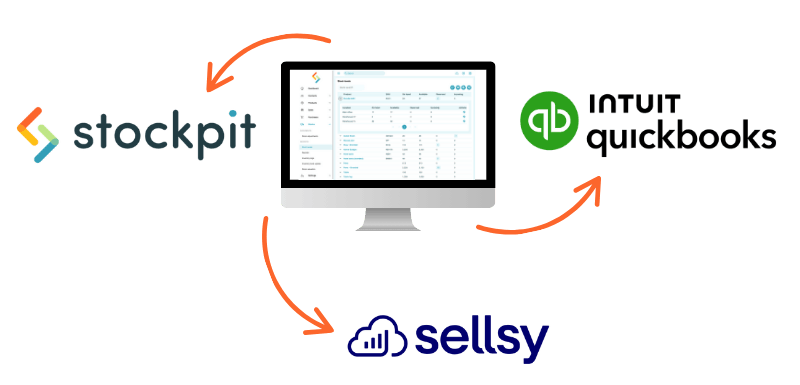
Thanks to integrations with accounting tools like QuickBooks and sales platforms such as Sellsy, Stockpit fits seamlessly into existing business ecosystems.
Looking to take better control of your inventory and save time every day?
Say goodbye to stockouts! Get your inventory valuation, monitor the inflow and outflow of products and keep track of your inventory.


