Optimize Your Order Picking Process and Gain Efficiency
December 10, 2025

December 10, 2025
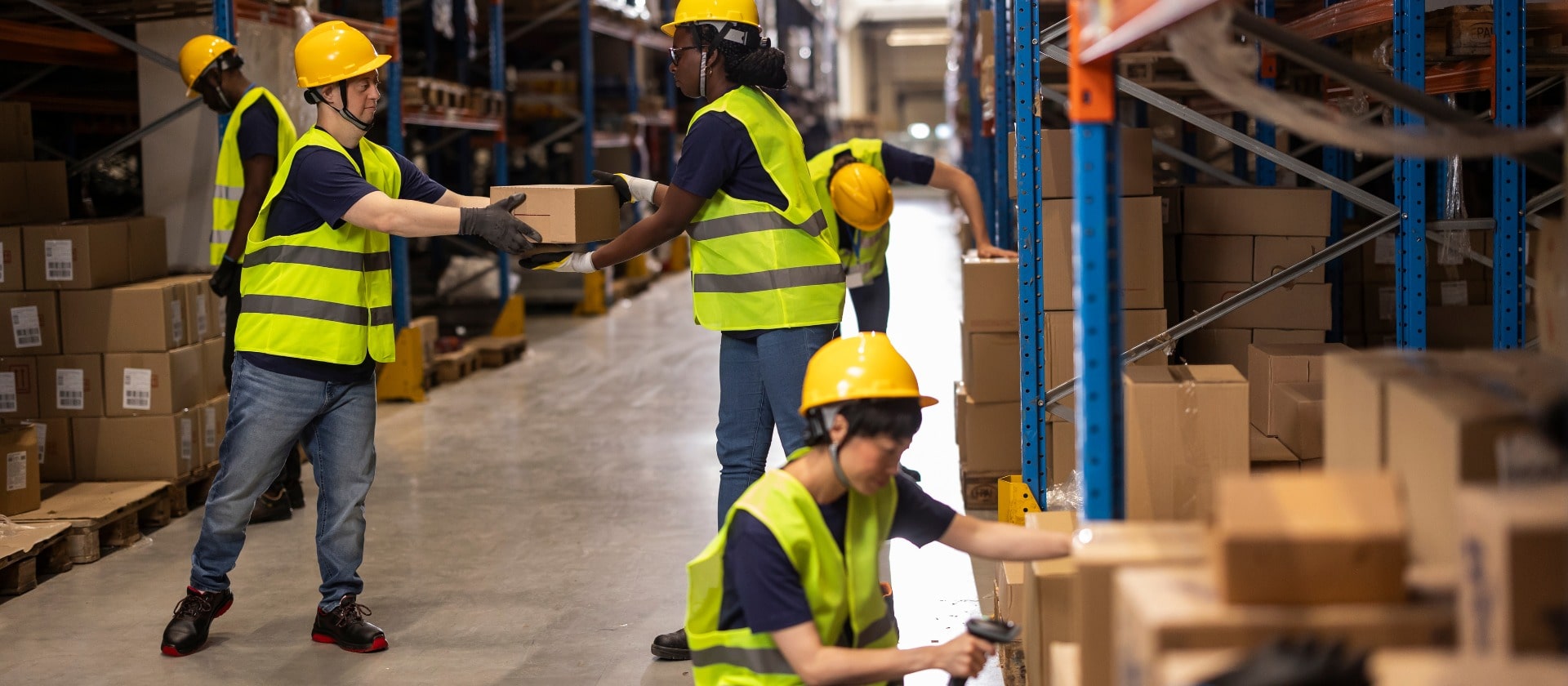
Are your B2B customers expecting shorter and shorter delivery times? For small and midsize businesses, efficient order picking is central to strong logistics performance. It’s not just a daily task — it’s a strategic operation.
A smooth and reliable picking process ensures fast and accurate shipments, reduces errors, helps control costs, and strengthens the quality of your service. But to get the most value from it, you first need to understand how it works and how to optimize it.
Order picking refers to all the tasks involved in retrieving the products ordered by a customer, grouping them, checking them, and preparing them for shipment.
In the supply chain, this step is strategic because it connects available inventory with outbound shipments. Poorly organized picking slows down operations, increases errors, and impacts customer satisfaction. Conversely, a clear, consistent, and well-structured picking process leads to shorter lead times, reliable shipments, and better inventory control.
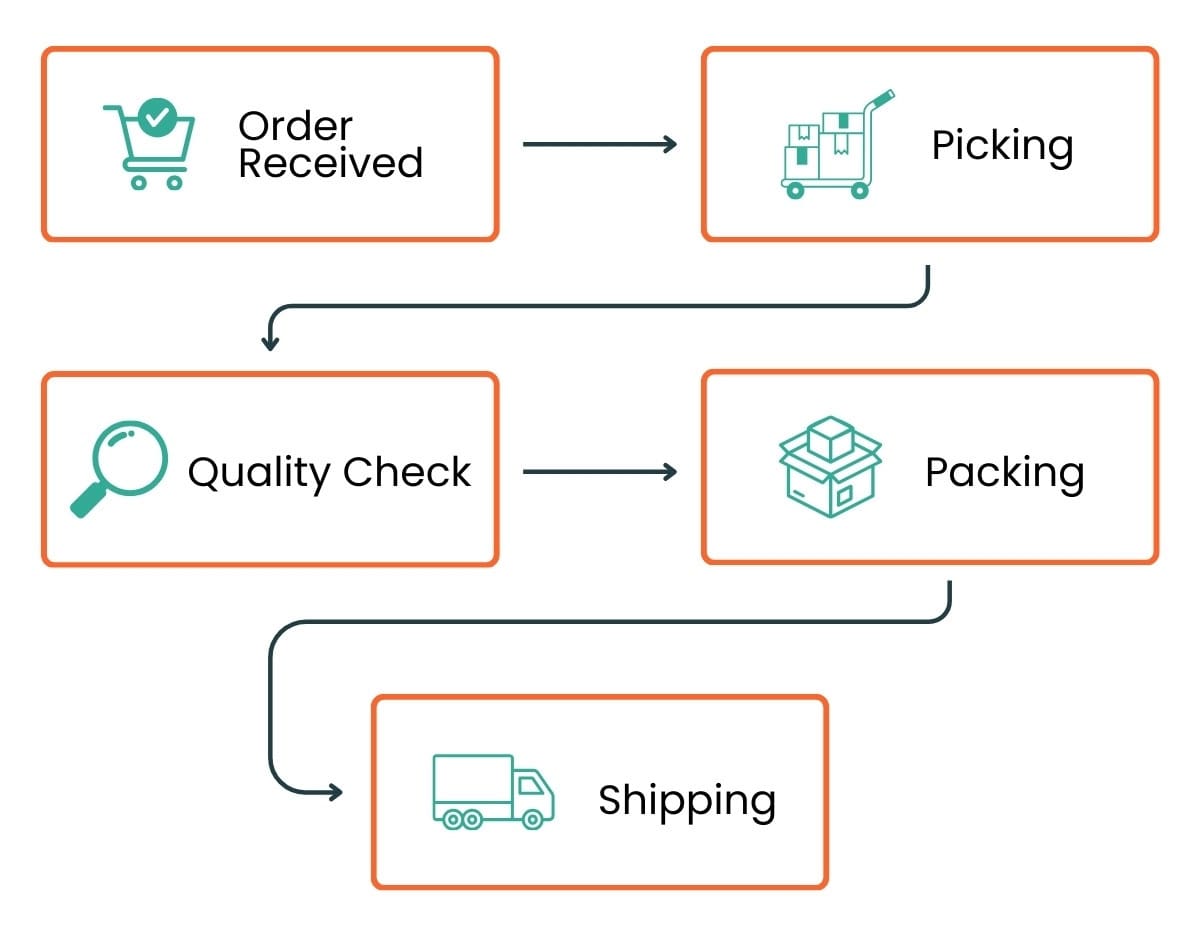
Order picking begins as soon as a new sales order is recorded. The company selects the most suitable picking method and defines the route operators will follow.
During picking, the operator moves through the warehouse to retrieve each item. Once picking is completed, a quality check ensures all products match the order and are in good condition.
Items are then grouped and packed according to customer requirements, product specifics, and shipping constraints. Labeling is performed before handing the package over to the carrier. Finally, stock levels are updated to maintain accurate real-time visibility.
Each step contributes to minimizing unnecessary movement, reducing errors, and streamlining the entire logistics chain.
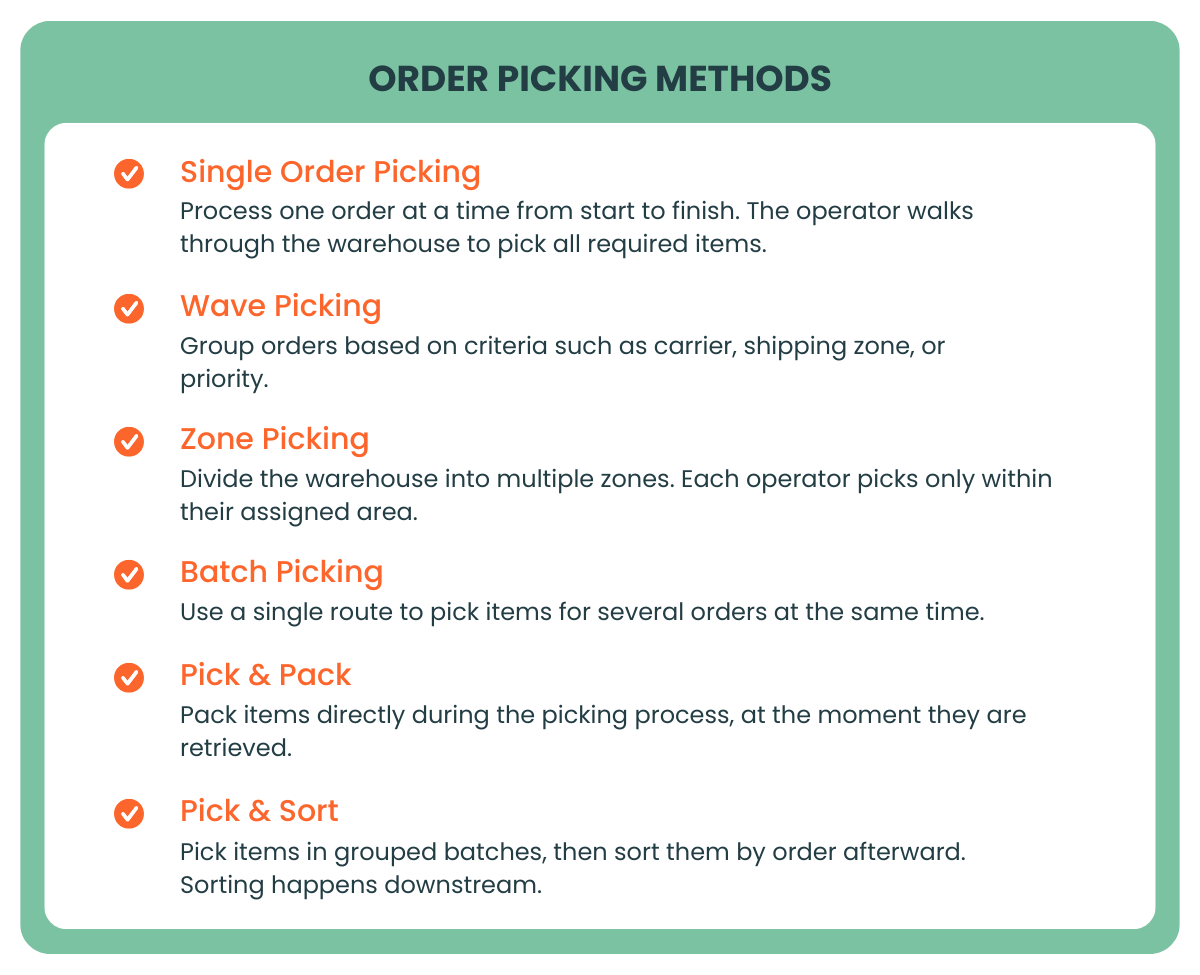
Businesses can choose from several picking methods. Each has advantages, and the method you select directly impacts productivity and the accuracy of shipments.
This method consists of picking one order at a time from start to finish. The operator walks through the warehouse to pick all the required items to fulfill a customer's order. Single order picking is ideal for small businesses or when order volume is low thanks to its simplicity. However, as volume increases, it becomes less efficient due to excessive travel time.
Orders are grouped based on criteria such as carrier, shipping zone, or priority. Operators then prepare several orders destined for the same area simultaneously. Wave picking optimizes travel time and makes planning easier — a valuable asset during peak periods.
The warehouse is divided into several zones. Each operator is responsible for picking only within their assigned zone. Once all zones are picked, items are combined before shipping. This method is particularly effective for large warehouses or businesses with wide product catalogs.
Batch picking consolidates the items from multiple orders into a single picking route. This avoids repeated trips through the warehouse and is ideal for fast-moving products. It reduces overall picking time and increases workflow efficiency.
With Pick & Pack, operators pack items directly into a shipping box during picking. This reduces handling and accelerates processing, especially for simple or recurring orders. However, because products are packed immediately, there is less opportunity for quality checks, which may increase the risk of errors.
Pick & Sort involves picking grouped items first and sorting them by order afterward. This approach is efficient when several orders share similar items. The sorting stage occurs downstream, reducing time spent in the aisles.
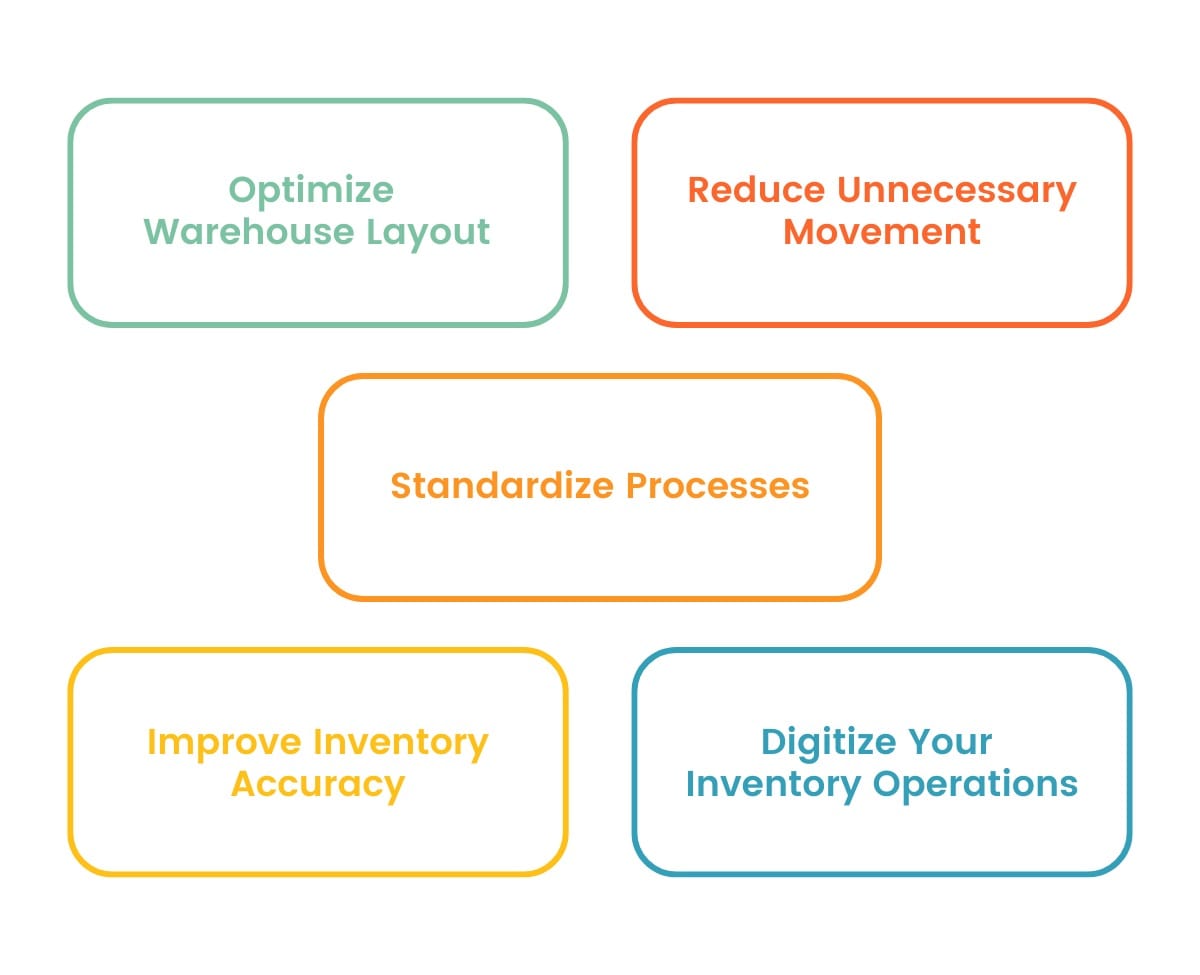
For many small and midsize businesses, improving picking efficiency doesn’t require major investment. Solid organization, well-structured processes, and the right tools can significantly strengthen warehouse performance.
Your warehouse layout has a direct impact on picking speed. Classifying items according to their turnover (using the ABC method), placing best-sellers near the packing area, and designing clear pathways help accelerate the process. These simple steps reduce travel time and maintain a steady workflow.
Travel time accounts for a large share of total picking time. Reducing it means rethinking operator routes, equipment placement, and selecting a picking method suited to your activity level. Better-defined warehouse zones lead to significant time savings.
Clear, documented, and shared procedures reduce errors. By defining each picking step, required actions, and control points, you harmonize team practices and simplify onboarding for new employees.
Reliable picking depends on accurate stock levels. Without precise visibility, errors and delays multiply. Rigorous inventory management, supported by automatic updates, ensures smooth operations.
With a tool like Stockpit, every inventory movement is recorded automatically, preventing discrepancies and securing daily picking operations.
Inventory management software provides invaluable support for SMBs. These tools centralize information, simplify product tracking, and prevent manual entry errors. For smaller structures, they offer an accessible and scalable way to automate key processes without added complexity.
Order picking plays a central role in B2B logistics. For small and midsize businesses, it is a key lever for improving responsiveness, reducing errors, and strengthening customer satisfaction.
Stockpit supports companies seeking to improve efficiency on a daily basis. With simple and intuitive inventory management, the platform offers:
Integrated with your sales or accounting system, Stockpit helps reduce errors, speed up order preparation, and offer your customers a seamless and professional experience.
Adopting well-structured inventory management lays the foundation for faster, more reliable order picking tailored to the demands of B2B.
Order picking includes all operations needed to retrieve customer-ordered items, check them, and prepare them for shipment. It includes picking, verification, packing, and hand-off to the carrier. It’s a crucial step to ensure fast, accurate, and compliant deliveries.
The process begins when a customer order is received. Teams plan the picking route, retrieve the products, verify their accuracy, pack the items, and prepare the shipment. The final step is updating stock levels to maintain precise visibility.
Stockpit simplifies every step by providing instant stock visibility and automatically updating available quantities after each movement. This reliability reduces picking errors, helps prevent stockouts, and allows teams to prepare orders faster and with confidence.
Say goodbye to stockouts! Get your inventory valuation, monitor the inflow and outflow of products and keep track of your inventory.


